
Omnichannel retail strategy marks a pivotal shift in how businesses interact with their customers, merging traditional retail with digital channels to create a seamless shopping experience. In today’s fast-paced market, retailers are not just competing on price or product quality but are increasingly focused on providing a cohesive experience across various platforms, whether in-store, online, or through mobile apps.
This multifaceted approach caters to modern consumers who expect convenience and personalization, reflecting the evolution of retail strategies that now prioritize integration and customer engagement.
Introduction to Omnichannel Retail Strategy
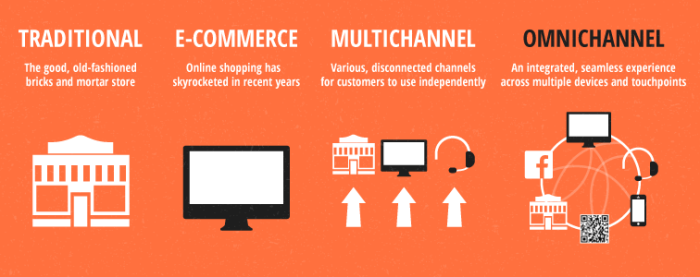
Omnichannel retail strategy is a comprehensive approach that integrates multiple shopping channels, providing customers with a seamless shopping experience whether they are shopping online from a desktop or mobile device, by telephone, or in a brick-and-mortar store. This strategy aims to unify the customer experience across various platforms to enhance customer satisfaction and loyalty.The importance of integrating multiple channels in retail cannot be overstated.
With the rise of e-commerce, consumers now expect a cohesive shopping experience that allows them to switch between channels effortlessly. Retailers have adapted to this expectation by evolving their strategies from a multichannel approach—where different channels operate independently—to an omnichannel approach that integrates these channels into a singular, customer-focused experience.
Benefits of Omnichannel Retail Strategy
Implementing an omnichannel retail strategy offers numerous advantages for businesses. These can significantly enhance customer experience and satisfaction, ultimately leading to improved sales growth and brand loyalty.
- Enhanced Customer Experience: Customers enjoy a cohesive shopping experience that allows for easy transitions between online and offline channels.
- Increased Sales Growth: Businesses with integrated channels often see higher sales, as customers are more likely to complete purchases when they have multiple convenient options.
- Stronger Brand Loyalty: A seamless experience fosters trust and loyalty, encouraging repeat purchases and customer advocacy.
Key Components of an Effective Omnichannel Strategy
For an omnichannel strategy to be effective, certain key components must be in place. These elements drive successful integration across various channels, ensuring a fluid customer journey.
- Technology Integration: Utilizing technology to streamline operations across channels, such as inventory management systems and customer relationship management (CRM) tools, is crucial.
- Customer Data and Analytics: Understanding customer behavior through data analytics allows retailers to make informed decisions, personalize services, and enhance overall customer experience.
- Consistent Branding: Ensuring that branding and messaging are consistent across all channels helps reinforce brand identity and improves customer recognition.
Challenges in Implementing Omnichannel Strategy
While the omnichannel approach presents significant benefits, retailers often face challenges when adopting this strategy. Common obstacles include operational silos, technology integration issues, and data management hurdles.
- Operational Silos: Departments may work in isolation, leading to inconsistencies in customer experience.
- Technology Integration: Difficulties in integrating different technological systems can hinder seamless operations.
- Data Management: Managing and utilizing customer data effectively is crucial yet challenging for many retailers.
Business Innovation within Omnichannel Retail
Omnichannel strategies foster innovation in the retail sector by encouraging businesses to rethink their operations and customer engagement strategies. Emerging technologies such as Artificial Intelligence (AI) and the Internet of Things (IoT) play a significant role in enhancing omnichannel experiences.
- AI Implementation: Retailers use AI to analyze customer data, predict trends, and personalize the shopping experience.
- IoT Devices: Smart devices enable better inventory management and improve customer interactions through personalized marketing.
- Innovative Practices: Companies are experimenting with augmented reality (AR) and virtual reality (VR) to enhance customer engagement and interaction.
International Business Considerations
Implementing an omnichannel strategy in international markets requires an understanding of cultural factors that influence consumer behavior. Retailers must adapt their approach based on regional preferences and shopping habits.
- Cultural Sensitivity: Tailoring marketing strategies to respect local cultures and consumer preferences is essential for success.
- Case Studies: Successful international retailers, such as Zara and H&M, have effectively utilized omnichannel strategies by understanding local markets and integrating global operations.
Marketing Strategies for Omnichannel Retail
Effective marketing techniques are vital in supporting omnichannel efforts, ensuring that retailers can reach consumers across various platforms.
- Direct Marketing Integration: Combining direct marketing tactics across multiple channels enhances visibility and engagement.
- Successful Campaigns: Retailers such as Nike and Starbucks have launched integrated campaigns that resonate across both online and offline channels.
Business Networking and Omnichannel Retail
Networking is critical in the context of omnichannel retail, as building relationships can enhance strategies and operations.
- Key Partnerships: Collaborating with technology providers, logistics companies, and marketing agencies can improve the effectiveness of an omnichannel approach.
- Networking Events: Conferences and trade shows focused on retail technology and customer experience can provide valuable insights and connections for omnichannel retailers.
Risk Management in Omnichannel Retail
Understanding and managing potential risks is crucial when implementing an omnichannel strategy.
- Identifying Risks: Common risks include data breaches, supply chain disruptions, and customer dissatisfaction.
- Mitigation Strategies: Developing comprehensive risk management frameworks can help retailers navigate challenges effectively.
Future Trends in Omnichannel Retail
The future of retail is poised for significant transformation, with emerging trends influencing omnichannel strategies.
- Shifts in Consumer Behavior: A growing preference for convenience and personalized shopping experiences will continue to shape retail strategies.
- Preparation for Change: Retailers must remain adaptable and leverage data analytics to anticipate and respond to evolving consumer needs.
Team Building for Omnichannel Success
Cross-functional teams are essential for successfully implementing omnichannel strategies.
- Team Roles: Each team member should understand their responsibilities within the omnichannel framework to ensure coordination and efficiency.
- Collaboration Guide: Establishing clear communication channels and collaborative tools can enhance teamwork across departments.
Workplace Communication in Omnichannel Retail
Effective communication strategies are necessary for executing omnichannel initiatives successfully.
- Digital Tools: Utilizing collaboration platforms and communication tools can facilitate information sharing and decision-making.
- Best Practices: Maintaining transparency and regular updates across teams helps keep everyone aligned and focused on common goals.
Business Presentation Skills for Omnichannel Initiatives
Crafting effective presentations is vital when discussing omnichannel strategies with stakeholders.
- Storytelling Importance: Using storytelling techniques can make presentations more engaging and relatable.
- Presentation Template: Presenters should include clear objectives, success cases, and actionable insights to provide value to their audience.
Sales Management in an Omnichannel Context
Sales management plays a pivotal role in supporting omnichannel strategies and requires specific training for staff.
- Training Needs: Staff should be trained on utilizing technology and understanding customer journeys across various channels.
- Measuring Success: Retailers can use metrics such as conversion rates, customer retention, and average order value to gauge success in an omnichannel environment.
Small Business Applications of Omnichannel Retail
Small businesses can also implement omnichannel strategies effectively, even with limited resources.
- Creative Solutions: Leveraging social media, local partnerships, and online platforms can help small retailers integrate channels.
- Success Stories: Numerous small businesses have thrived by adopting omnichannel practices, demonstrating that strategy is not limited to larger corporations.
Ultimate Conclusion
In conclusion, embracing an omnichannel retail strategy is not merely a trend but a necessity for businesses aiming to thrive in a competitive landscape. The ability to deliver a unified customer experience across multiple touchpoints is key to fostering brand loyalty, driving sales growth, and staying ahead of market trends. As the retail environment continues to evolve, retailers must adapt and innovate, ensuring they remain connected with their customers at every stage of the shopping journey.
User Queries
What is an omnichannel retail strategy?
An omnichannel retail strategy is an integrated approach to retailing that combines multiple channels—such as physical stores, online platforms, and mobile applications—to enhance the customer shopping experience.
How does an omnichannel strategy benefit customers?
It provides customers with a seamless shopping experience, allowing them to interact with the brand through their preferred channels while maintaining consistency in service and information.
What challenges do retailers face when implementing an omnichannel strategy?
Common challenges include technology integration, data management, and maintaining a consistent brand message across different platforms.
How can small businesses adopt an omnichannel strategy?
Small businesses can leverage affordable technology solutions and focus on building strong customer relationships to create an effective omnichannel experience without substantial investment.
What role does data play in an omnichannel retail strategy?
Data is crucial for understanding customer preferences and behaviors, enabling retailers to make informed decisions that enhance the overall shopping experience.


![41 SMS Marketing Statistics, Trends, and Insights [Updated for 2024]](https://agadoio.info/wp-content/uploads/2025/07/sms-marketing-statistics-1024x512-1-300x150.jpg)