
Kicking off with Strategic risk analysis, we delve into a critical aspect of business management that can often determine the success or failure of an organization. Strategic risk encompasses various uncertainties that can impact a company’s ability to achieve its goals, often influenced by factors like market dynamics, innovation, and global competition.
This analysis not only helps in identifying potential threats but also in understanding how to effectively manage these risks to foster innovation and growth. From navigating international markets to enhancing productivity, strategic risk analysis provides a framework that businesses can rely on to ensure they stay ahead in an ever-evolving landscape.
Strategic Risk Overview
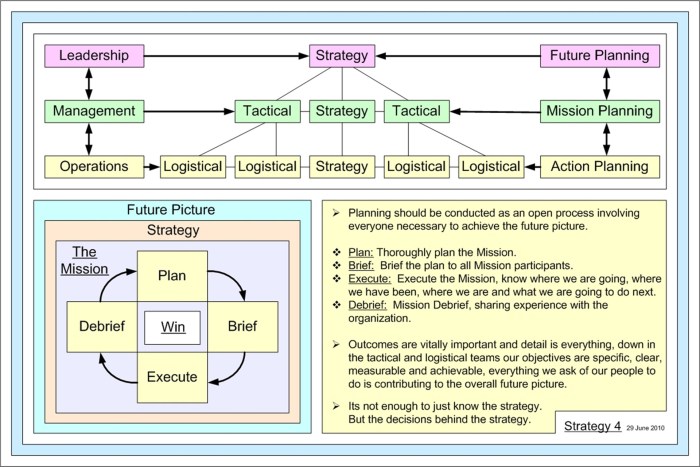
Strategic risk is a fundamental aspect of business management that encompasses the potential threats and uncertainties that can affect an organization’s strategic objectives. Understanding and addressing strategic risk is crucial for maintaining competitive advantage and ensuring long-term success in an ever-evolving market landscape.Strategic risk management plays a pivotal role in an organization’s success by enabling businesses to identify, assess, and mitigate risks that could derail their strategic initiatives.
Effective risk management not only protects assets but also helps in making informed decisions that align with the company’s vision.
Definition and Importance of Strategic Risk
Strategic risk refers to the potential for losses or setbacks that may arise from strategic decisions or external factors impacting an organization’s ability to achieve its goals. This includes risks related to market shifts, regulatory changes, technological advancements, and competitive pressures.
Common Strategic Risks Faced by Businesses
Many businesses encounter similar strategic risks, including:
- Market volatility, which can affect demand for products and services.
- Technological disruptions that can render existing business models obsolete.
- Regulatory changes that could impose additional compliance costs.
- Reputation risks stemming from social media and public perception.
- Supply chain vulnerabilities that can disrupt operations.
Business Innovation and Strategic Risk
Innovation is often a double-edged sword; while it can drive growth and market differentiation, it also introduces various strategic risks. Companies must navigate these risks carefully to harness the benefits of innovation without compromising their strategic objectives.
Impact of Innovation on Strategic Risk
Innovation can significantly impact strategic risk by introducing new products, services, or processes that may not align with existing market conditions or consumer preferences. Companies face the challenge of staying ahead of the curve while managing the uncertainties associated with new ventures.
Strategies to Balance Innovation with Risk Management
To effectively balance innovation and risk, organizations can employ strategies such as:
- Conducting thorough market research before launching new initiatives.
- Implementing pilot programs to test innovations on a smaller scale.
- Incorporating feedback loops to refine products based on user experience.
- Establishing cross-functional teams that bring diverse perspectives to innovation projects.
- Utilizing risk assessment frameworks to evaluate potential innovations.
Case Studies of Successful Risk Management in Innovation
Several companies have successfully navigated the risks associated with innovation. For instance, Apple Inc. continually invests in research and development to create groundbreaking products while maintaining a strategic focus on user experience and market needs. Similarly, Amazon’s emphasis on customer feedback allows it to innovate effectively while minimizing risks.
International Business and Strategic Risk
Entering international markets presents unique strategic risks that can impact a company’s global operations. Understanding these risks is essential for businesses looking to expand beyond domestic borders.
Unique Strategic Risks in International Markets
Global expansion introduces strategic risks such as:
- Cultural differences that may lead to misunderstandings or misalignment with local consumers.
- Political instability that can disrupt business operations or supply chains.
- Currency fluctuations that affect pricing and profitability.
- Compliance with varying regulatory environments across countries.
- Trade barriers and tariffs that can impact market entry strategies.
Strategies for Identifying and Mitigating Global Strategic Risks
Organizations can mitigate global strategic risks by:
- Conducting geopolitical risk assessments before entering new markets.
- Establishing local partnerships to navigate cultural and regulatory landscapes.
- Diversifying supply chains to reduce reliance on a single market.
- Implementing robust compliance programs to adhere to international laws.
- Utilizing hedging strategies to manage currency risk.
Examples of Businesses Failing to Manage International Risks
Several companies have faced significant setbacks due to mismanagement of international strategic risks. For example, the failure of Walmart in Germany illustrates the challenges of cultural integration, leading to its withdrawal from the market despite its success in the United States.
Interviews on Strategic Risk Management
Interviews with industry leaders provide valuable insights into effective strategic risk management practices and their impact on organizational resilience. These discussions reveal the approaches successful companies take to assess and mitigate risks.
Key Questions for Industry Leaders
When interviewing industry leaders, consider asking:
- What are the top strategic risks your organization currently faces?
- How do you prioritize risk management in your strategic planning?
- What best practices have you implemented to foster a risk-aware culture?
- How do you measure the effectiveness of your risk management strategies?
- What role does leadership play in risk management within your organization?
Insights from Interviews Demonstrating Best Practices
Insights from these interviews often highlight the importance of a proactive risk management approach, including continuous monitoring, stakeholder engagement, and the integration of risk assessment into daily operations.
Common Themes in Risk Assessment
Common themes from interviews reveal that successful organizations prioritize open communication, utilize data-driven decision-making, and foster a culture of collaboration among teams to enhance risk identification and mitigation.
Job Search Techniques in High-Risk Industries
Navigating a job search in high-risk industries requires a strategic approach to demonstrate your understanding of risk management principles and practices.
Tips for Job Seekers in High-Risk Industries
Here are some effective tips for job seekers:
- Research the industry’s specific risks to tailor your application materials.
- Highlight relevant experience in risk assessment and management roles.
- Network with professionals in the field to gain insights into industry trends.
- Prepare for interviews by articulating your understanding of risk management strategies.
- Stay updated on regulatory changes and market conditions affecting the industry.
Importance of Understanding Potential Employer’s Risk Management Strategies
Understanding a potential employer’s risk management strategies is vital, as it allows candidates to align their skills and experiences with the company’s needs. Employers value candidates who can contribute to their risk management efforts.
Resume and Cover Letter Techniques Highlighting Risk Management Skills
When crafting resumes and cover letters, focus on:
- Quantifiable achievements in risk mitigation and management.
- Specific examples of how you have contributed to enhancing risk awareness.
- s related to risk management to pass applicant tracking systems.
Outcome Summary
In summary, embracing strategic risk analysis is essential for businesses aiming to thrive in today’s complex environment. By recognizing and managing risks, organizations can enhance their resilience, drive innovation, and ultimately achieve long-term success. As we have seen, proactive risk management is not just about avoiding pitfalls; it’s about seizing opportunities and fostering a culture of informed decision-making.
Q&A
What is strategic risk?
Strategic risk refers to the potential for losses or failures resulting from decisions that affect an organization’s ability to achieve its objectives.
Why is strategic risk analysis important?
It helps organizations identify potential risks, make informed decisions, and develop strategies to mitigate those risks, ultimately leading to better business outcomes.
How can businesses manage strategic risks effectively?
By implementing robust risk management frameworks, conducting regular assessments, and fostering a risk-aware culture throughout the organization.
What common strategic risks do businesses face today?
These include market competition, regulatory changes, technological disruptions, and supply chain vulnerabilities.
Can small businesses benefit from strategic risk analysis?
Absolutely! Small businesses can use strategic risk analysis to identify their unique challenges and develop strategies to navigate them effectively.


![41 SMS Marketing Statistics, Trends, and Insights [Updated for 2024]](http://agadoio.info/wp-content/uploads/2025/07/sms-marketing-statistics-1024x512-1-300x150.jpg)