
Project management tools have become essential in today’s fast-paced business environment, serving as the backbone for organizations striving to improve efficiency and streamline operations. These tools not only enhance productivity but also foster collaboration and innovation, enabling teams to navigate complex tasks with ease.
From small startups to large corporations, utilizing the right project management software can unlock significant benefits, such as better resource allocation, improved communication, and easier tracking of progress. As we dive deeper into the world of project management tools, we will explore the various types available, their integration with business strategies, and their role in fostering growth and collaboration.
Importance of Project Management Tools
In today’s fast-paced business environment, project management tools play a crucial role in ensuring that projects are completed on time, within budget, and meet quality standards. These tools help streamline processes, enhance communication, and facilitate collaboration among team members.Project management tools enhance efficiency and productivity by providing a centralized platform for planning, executing, and monitoring projects. They allow teams to allocate resources effectively, track progress in real-time, and identify potential bottlenecks before they become significant issues.
By implementing project management software, organizations can experience numerous benefits, including improved team coordination, better risk management, and increased accountability across the board.
Types of Project Management Tools
There is a diverse range of project management tools available in the market, catering to various needs and preferences. Understanding the different categories can help businesses select the best tools for their specific requirements. Key types of project management tools include:
- Task Management Tools: Designed to help teams organize and prioritize tasks efficiently.
- Collaboration Tools: Facilitate communication and collaboration among team members.
- Time Tracking Tools: Help in monitoring time spent on tasks and projects.
- Resource Management Tools: Assist in allocating and managing team resources effectively.
Popular project management software, such as Trello, Asana, and Microsoft Project, each offer unique features tailored to various project needs. For instance, Trello uses a card-based interface to help teams visualize tasks, while Asana focuses on tracking project timelines and team assignments. In contrast, traditional tools like Gantt charts and spreadsheets may lack the collaborative features of modern software solutions but still provide a framework for project planning.
Integration of Project Management Tools with Business Innovation
Project management tools are instrumental in driving business innovation by providing a structured approach to managing creative processes. They enable teams to brainstorm ideas, track the development of innovative solutions, and evaluate project outcomes effectively. Companies like Google and Slack have successfully integrated project management software into their operations, leading to increased creativity and efficiency.To integrate project management tools into innovative processes, businesses should adopt best practices such as setting clear objectives, fostering open communication, and regularly reviewing project progress.
These practices help ensure that team members remain aligned and focused on delivering innovative solutions.
Role of Project Management Tools in International Business
Managing international projects presents unique challenges, such as coordinating across different time zones, languages, and cultural differences. Without proper tools, these challenges can hinder project success. Project management tools provide essential features like real-time communication, shared calendars, and document collaboration, which facilitate successful international collaborations.There are numerous case studies where project management tools have enabled organizations to overcome geographical barriers.
For example, a multinational company utilized project management software to streamline communication among its global teams, resulting in a successful product launch across multiple countries. Collaboration features in project management software are vital for ensuring that global teams can work effectively and efficiently.
Enhancing Business Networking through Project Management Tools
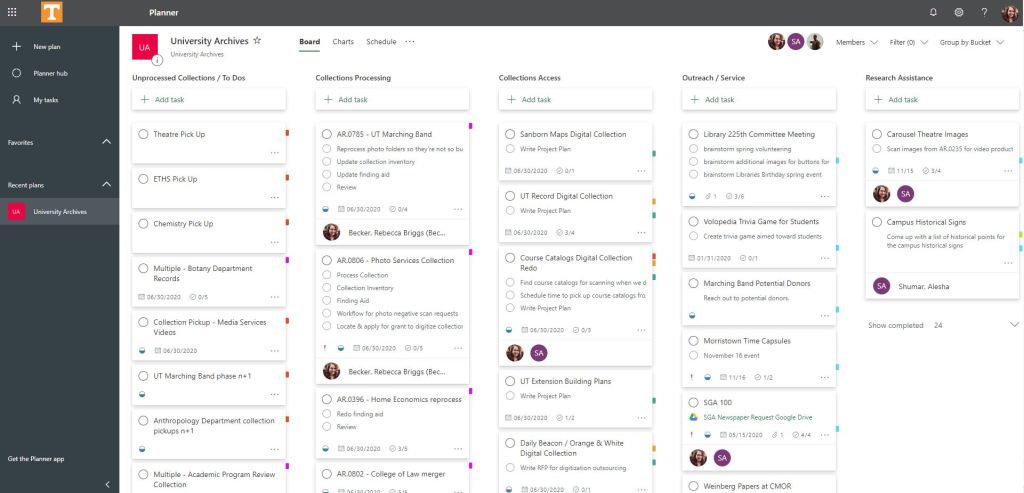
Project management tools not only assist in managing projects but also improve networking opportunities within businesses. By using these tools, professionals can connect, share insights, and collaborate on projects, fostering a more extensive network of contacts. Methods to leverage project management tools for networking include participating in forums, utilizing shared project spaces, and engaging in team discussions. Features like integrated messaging, user profiles, and collaboration spaces support networking within project management platforms, making it easier for professionals to connect and collaborate.
Project Management Tools for Small Businesses
Small businesses can benefit significantly from project management tools tailored to their needs. Tools like Trello, ClickUp, and Basecamp offer affordable options that help small teams manage projects without the complexity found in larger software solutions. A cost-benefit analysis reveals that investing in project management tools can lead to significant time savings and improved productivity, ultimately contributing to the company’s bottom line.
For instance, a small marketing agency that adopted project management software reported a 30% increase in project delivery speed, enabling them to take on more clients and grow their business.
Risk Management and Project Management Tools
Utilizing project management tools in risk assessment and management is essential for organizations looking to mitigate potential challenges effectively. These tools often come equipped with risk management features that help teams identify, analyze, and respond to risks throughout the project lifecycle.For example, a construction company can use project management software to monitor project timelines and budgets closely, allowing them to identify potential delays or cost overruns.
By implementing effective project management practices, businesses can reduce risk exposure and enhance project success rates.
Team Building and Project Management Tools
Project management tools significantly impact team collaboration and synergy, fostering an environment where team members can work together more effectively. Techniques for using these platforms to improve team dynamics include setting collaborative goals, utilizing shared timelines, and encouraging open communication.To foster a sense of community, organizations can implement team-building activities through project management tools, such as virtual brainstorming sessions or collaborative task assignments.
These strategies help create a stronger team environment, enhancing overall productivity and project outcomes.
Improving Workplace Communication with Project Management Tools
Effective communication is critical to project success, and project management tools offer various features designed to enhance communication among team members. Features such as instant messaging, comment sections, and file sharing streamline information exchange and ensure that everyone is on the same page.Successful communication strategies utilizing project management software include regular team check-ins, feedback loops, and transparent status updates. These practices help maintain a clear line of communication, enabling teams to address issues promptly and keep projects on track.
Project Management Tools in Sales Management
Project management tools can be effectively utilized in sales processes to streamline activities, track performance, and align goals. By leveraging these tools, sales teams can manage leads, set objectives, and monitor progress efficiently.Tracking sales performance using project management software involves setting metrics, customizing dashboards, and utilizing reporting features. Aligning sales goals with project management methodologies ensures that teams remain focused on achieving targets and optimizing their efforts.
Training and Development using Project Management Tools
Project management tools can support employee training and development by integrating training programs into existing workflows. This allows companies to streamline the onboarding process and ensure that team members have access to necessary training materials.Features such as progress tracking, assessment tools, and feedback mechanisms help organizations monitor employee performance and provide valuable insights into areas for improvement. This approach enhances overall team competency and contributes to the organization’s success.
Future Trends in Project Management Tools
Emerging trends in project management tools are shaping the way organizations approach project management. Innovations such as artificial intelligence, automation, and cloud-based solutions are making these tools more intuitive, effective, and accessible.As technology continues to advance, user preferences are likely to evolve, with an increasing emphasis on seamless integrations, mobile accessibility, and customizable features. Businesses must stay informed about these trends to ensure they can adapt and leverage the latest tools to enhance project management practices.
Epilogue
In summary, project management tools play a pivotal role in shaping the future of work by enhancing collaboration, improving efficiency, and driving innovation. As businesses adapt to new challenges and opportunities, the strategic implementation of these tools will be crucial in achieving sustained success and competitive advantage.
Q&A
What are project management tools?
Project management tools are software applications designed to help teams plan, execute, and monitor project progress effectively.
How can project management tools improve team communication?
These tools often include features such as chat, file sharing, and task updates, which facilitate seamless communication among team members.
Are project management tools suitable for small businesses?
Yes, many project management tools are specifically designed for small businesses, offering affordable options that cater to their unique needs.
Can project management tools integrate with other software?
Most modern project management tools allow integration with other software, such as CRM and accounting platforms, to enhance overall functionality.
What are some common features of project management tools?
Common features include task management, time tracking, collaboration tools, reporting, and scheduling capabilities.


![41 SMS Marketing Statistics, Trends, and Insights [Updated for 2024]](https://agadoio.info/wp-content/uploads/2025/07/sms-marketing-statistics-1024x512-1-300x150.jpg)